Delhi Metro Ticketing Revamp
I spearheaded the team in overhauling the Delhi Metro ticketing process. My role included leading primary field research, conducting interviews, and gathering technological insights for the initial project phase. I generated various ideas to address the identified issues and took charge of crafting the information architecture for the new system, along with designing UI screens for the app.
Subject:
Service Design
Role:
Lead Designer
Team Size:
6 Members
Year:
2022
Overview
The Delhi Metro system is the longest metro network in India with a daily ridership of an average of 6 million riders. The DMRC makes approximately 2700 daily trips between 05:00 AM to 11:30 PM serving as the primary mode of transport for people from all walks of life. Offering a cheap and fast way to travel around Delhi, its stations are often overcrowded with people queuing for an average of 15 minutes during peak times to purchase their travel tokens and recharge their smart cards.
Identifying the Problem
To Identify the problems faced by the commuters of the Delhi Metro, our team started by conducting primary research and understanding the various stakeholders and their roles in the functioning of the metro system.
We utilized a series of methodologies to analyze the current state of the systems and their responsiveness to their users.
Netnography: We used netnography to get commuter statistics, identify devices and technologies used for traveling and ticketing as well to identify the major stakeholders in its working.
Stakeholder Mapping: A medium to recognize and verify the role of all stakeholders in running the Delhi Metro system based on their level of interest and influence.
Quantitative Survey: A survey was conducted with 135 participants to understand the general level of awareness regarding the metro travel process .
User Interviews: A total of 35 User interviews were conducted to get an in-depth understanding of the users traveling and ticketing experience in the Delhi metro. We focused on travel time consumption, smart card management and ticketing experience.
The Problem
After extensive primary and secondary research, the problems faced by users were as follows :
Long queuing time
Lengthy recharge process and lack of option to recharge online
Token vending machine not accepting cash
Remembering smart card balance
Checking smart card balance
Management of multiple smart cards
Research
I conducted a brainstorming session with the team to gather our thoughts on the different ways in which we can approach the solution. We identified the following points:
The need for a medium that is accessible to all users from different demographics needs to be identified.
The need to utilize the current technology to expedite the process of ticketing and recharge and embrace the Digital India Initiative.
The solution should be self-explanatory, as the Delhi metro caters to people with different literacy levels as well as varied technological abilities.
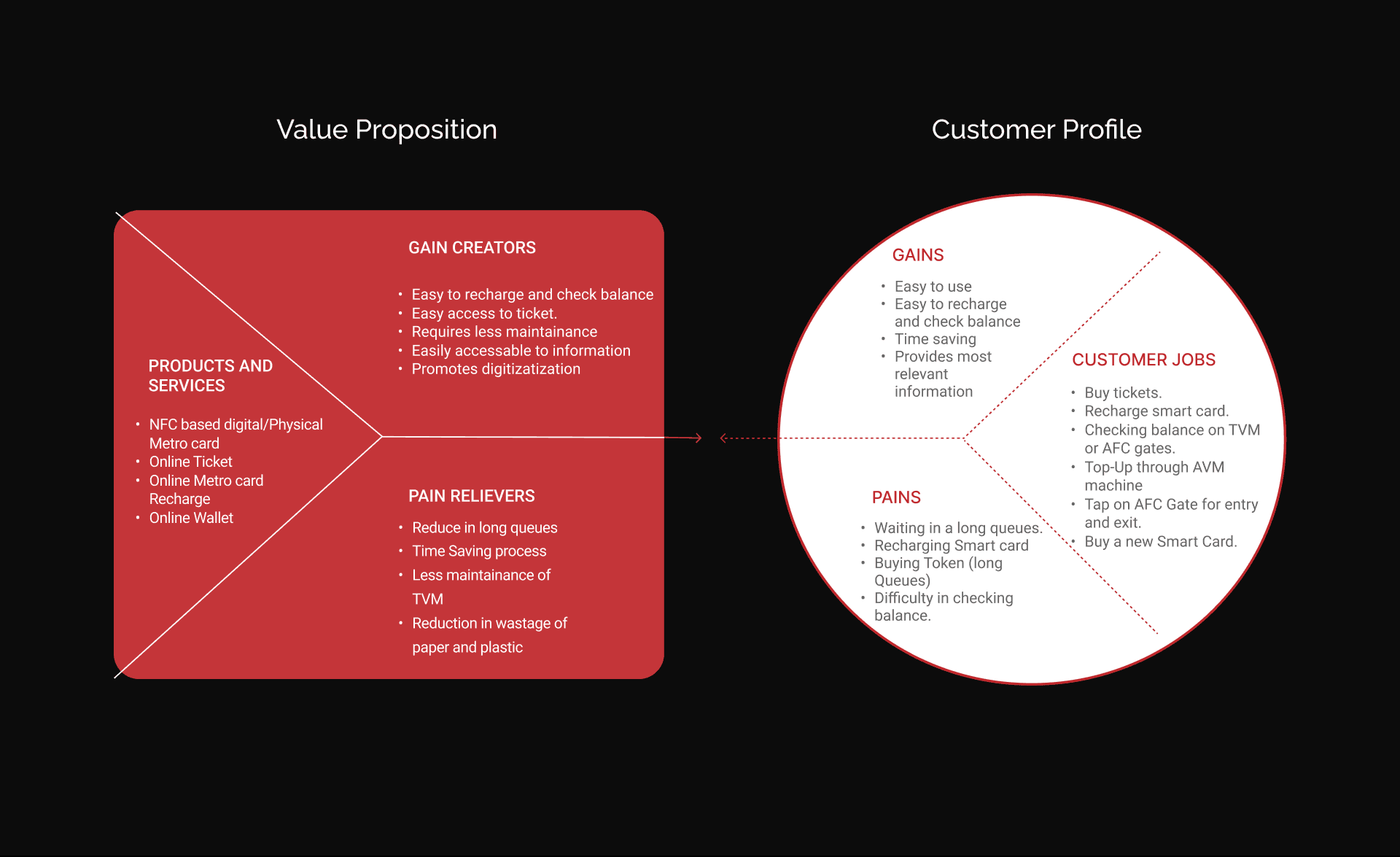
To support our solution we created a value proposition map to highlight the different ways in which our solution is applicable and aiding the consumers.
Subsequently, in order to showcase the financial gains and dependability of this structure to stakeholders, we crafted a business canvas model as well.
Solution
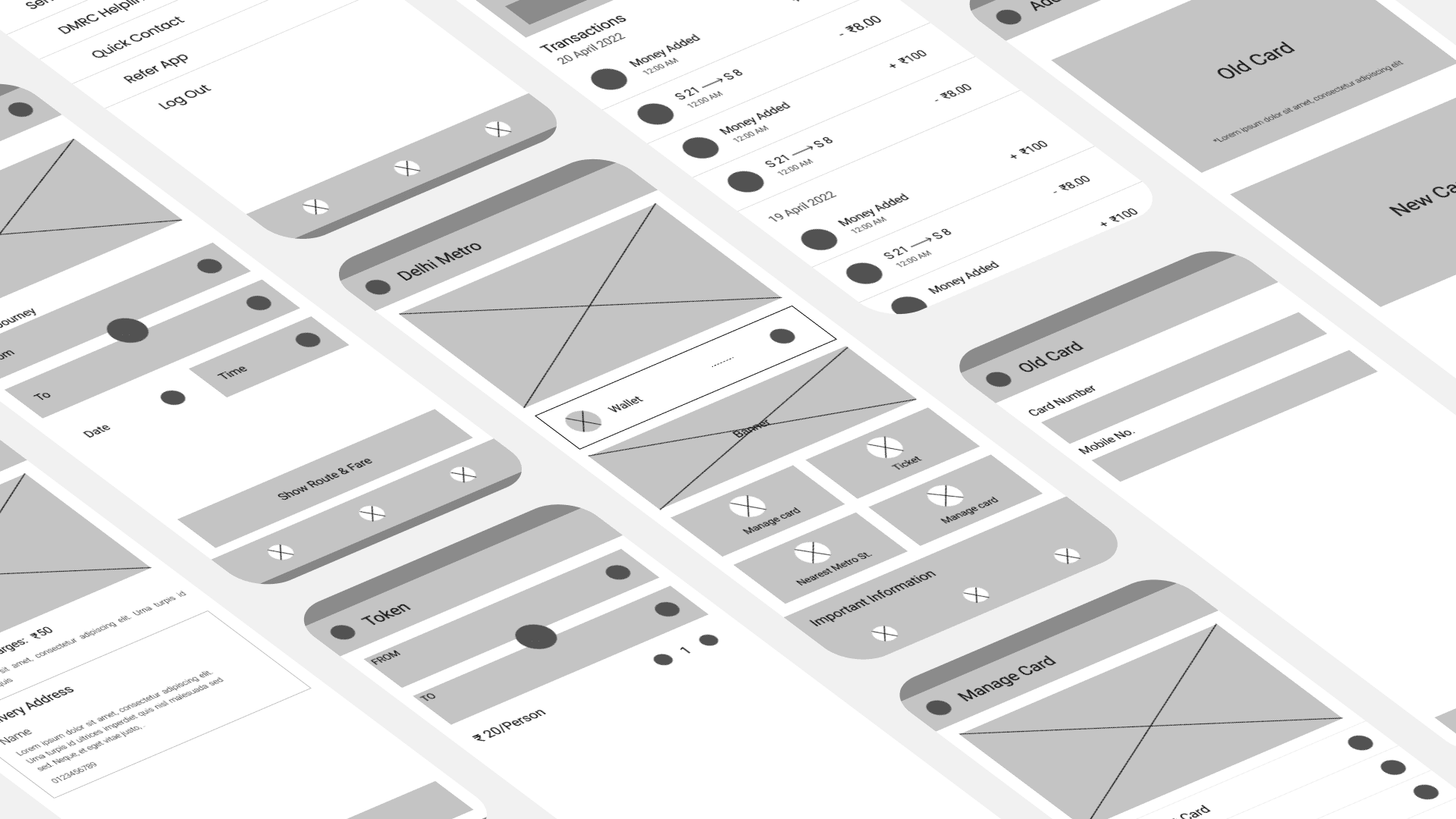
After much deliberation and research the team came up with a multi-dimensional solution that is user-friendly and less time consuming. We concluded that the most important factor for the solution will be to update the current process to be up-to-date with current-day payment methods like UPI and to use the universal ownership of smartphones to our advantage.
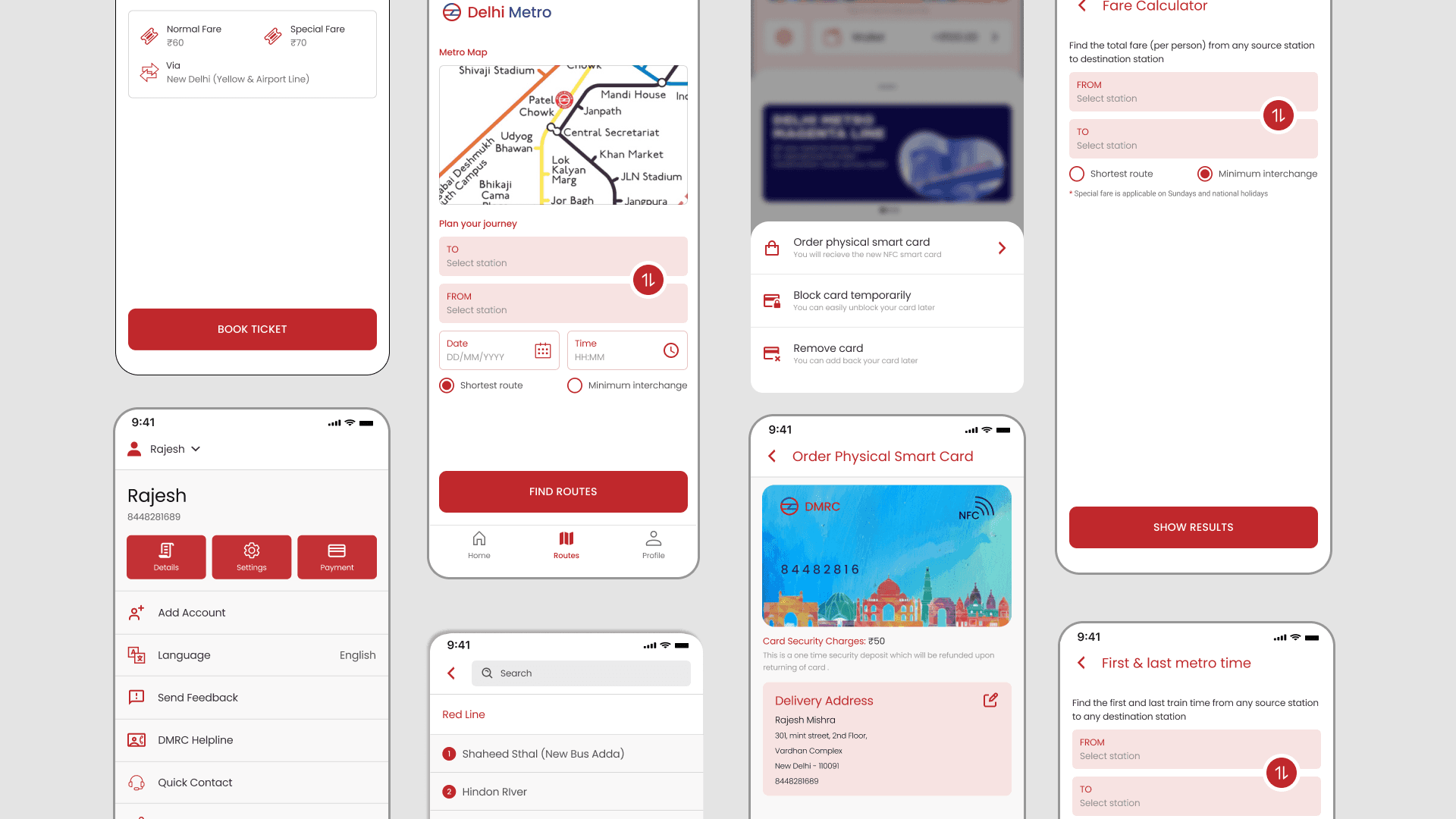
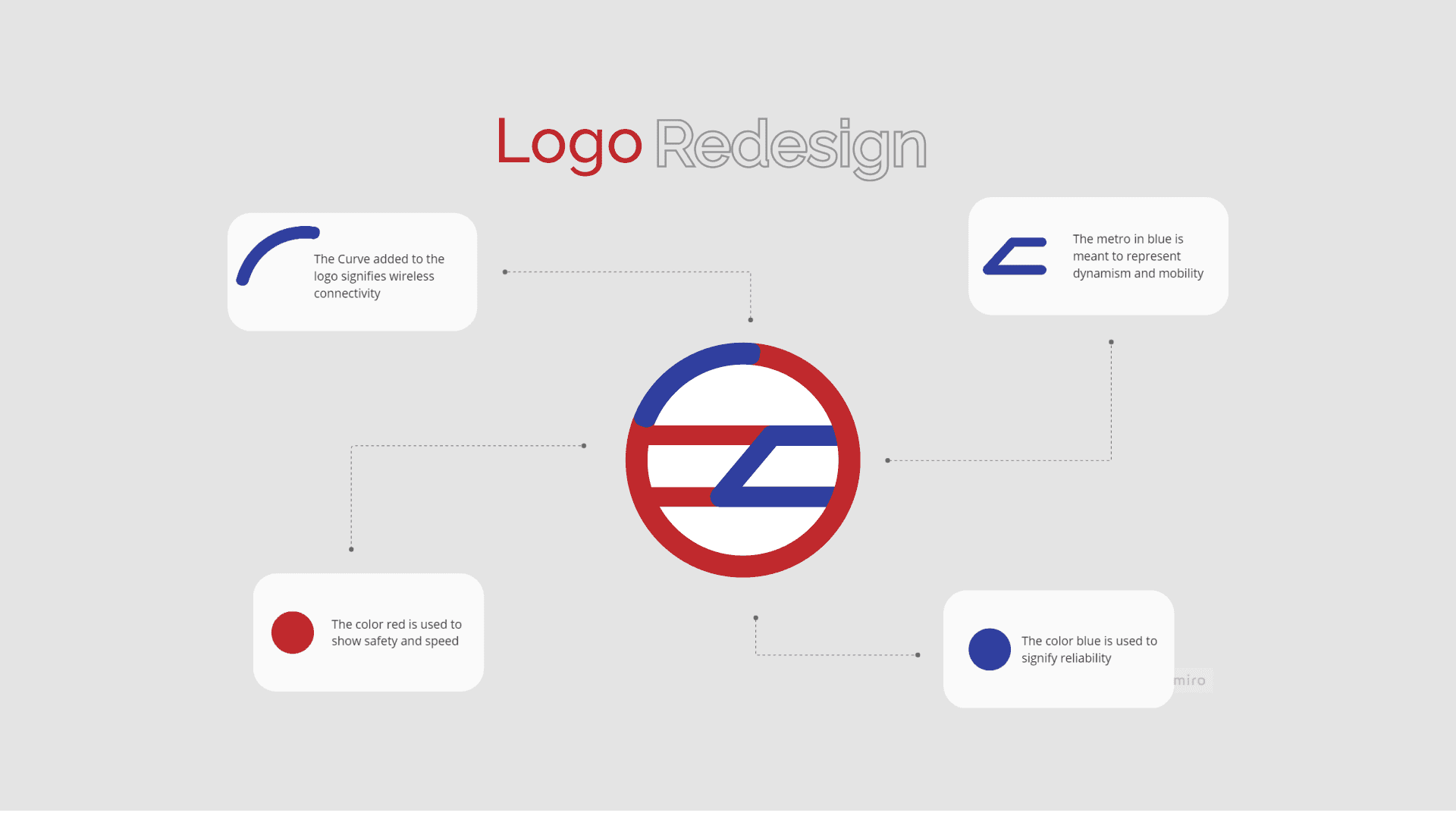
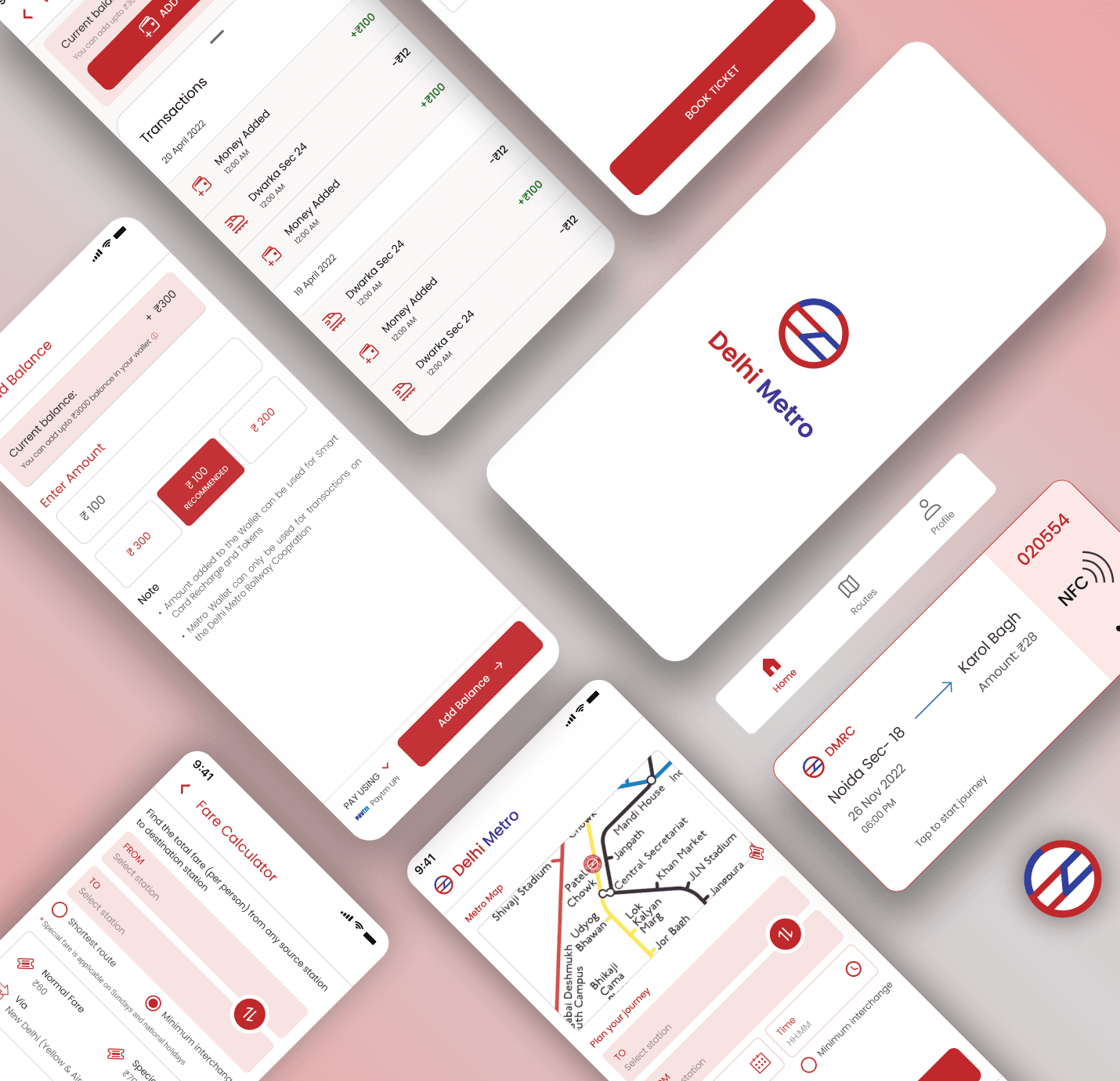
We decided to revamp the underutilized Delhi metro app by giving it a new brand identity to show its evolution with the newer generation and by adding the following features:
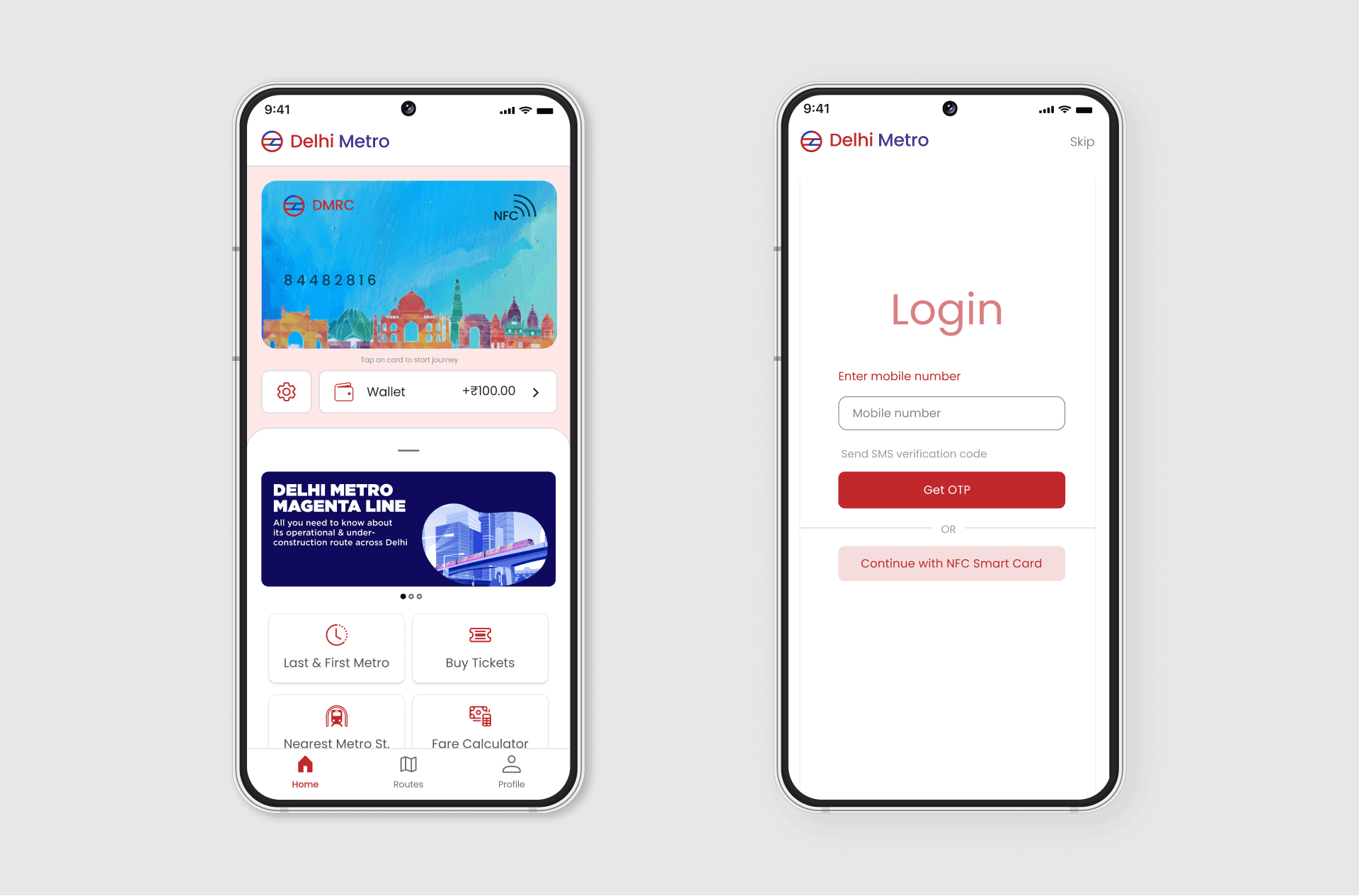
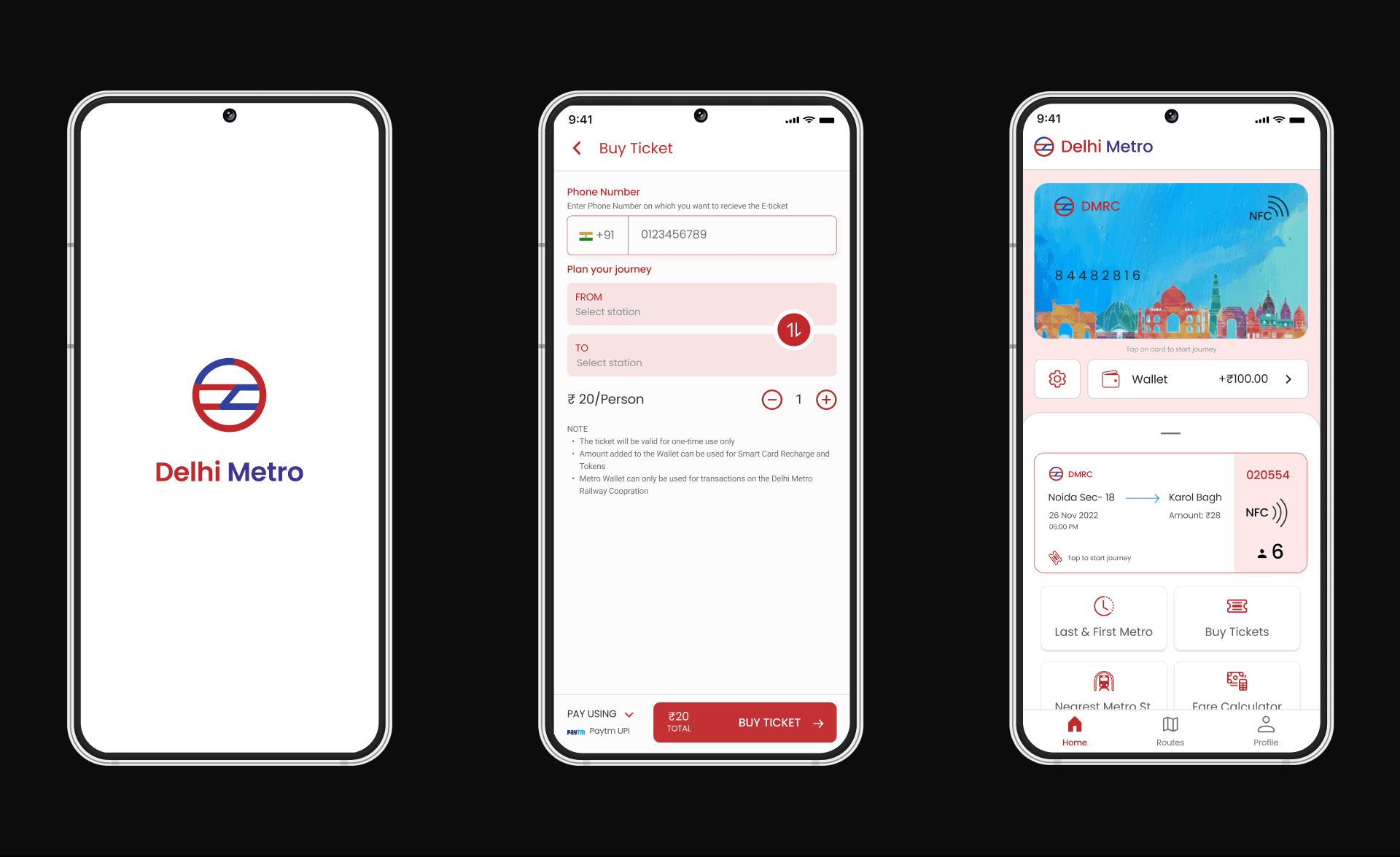
Digital Smart Card with NFC Tap (Near field communication): Implemented a digital smart card on the Delhi metro app allowing users to just tap and go, skipping long queues and recharge troubles.
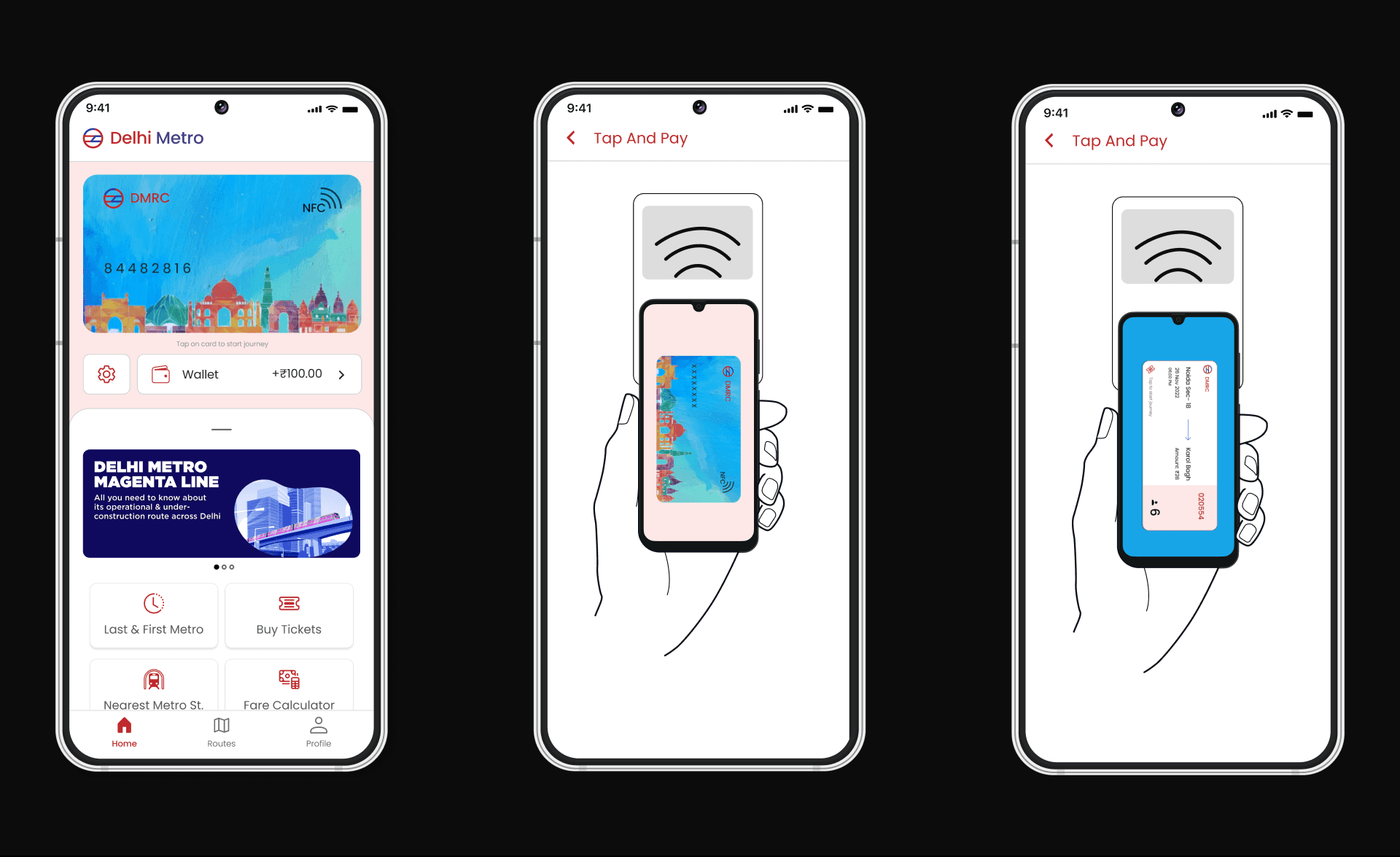
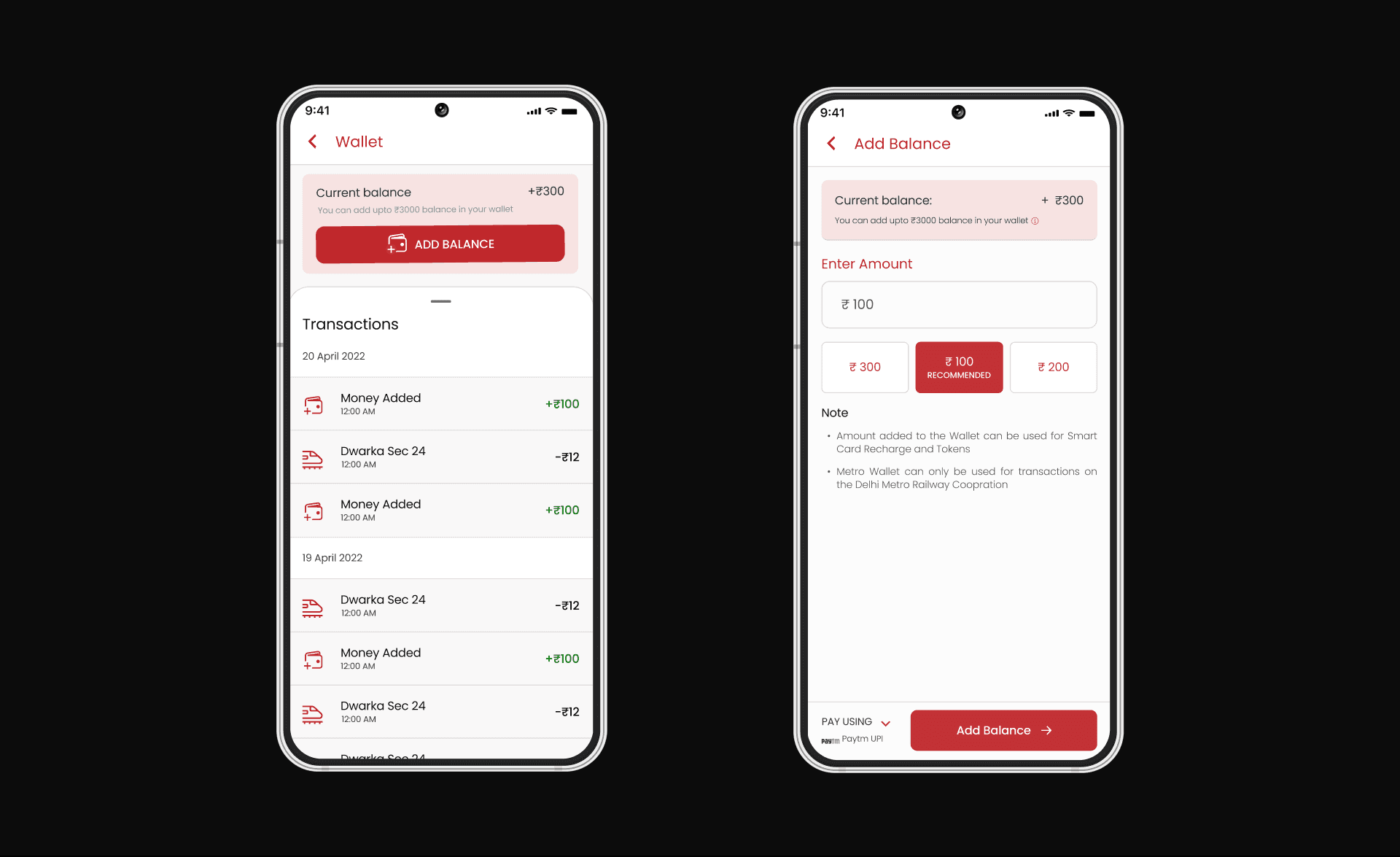
Wallet: Connect with payment servers to recharge or access instant deduction from the account. Also, keep track of deductions and recharge with the new wallet.
QR tickets: Purchase single or multiple QR tickets from the app to skip lines and simply scan to proceed.
Order Physical Card: Physical cards can be ordered online and obtained from the nearest station for technologically handicapped users.