Youth Employment Initiative
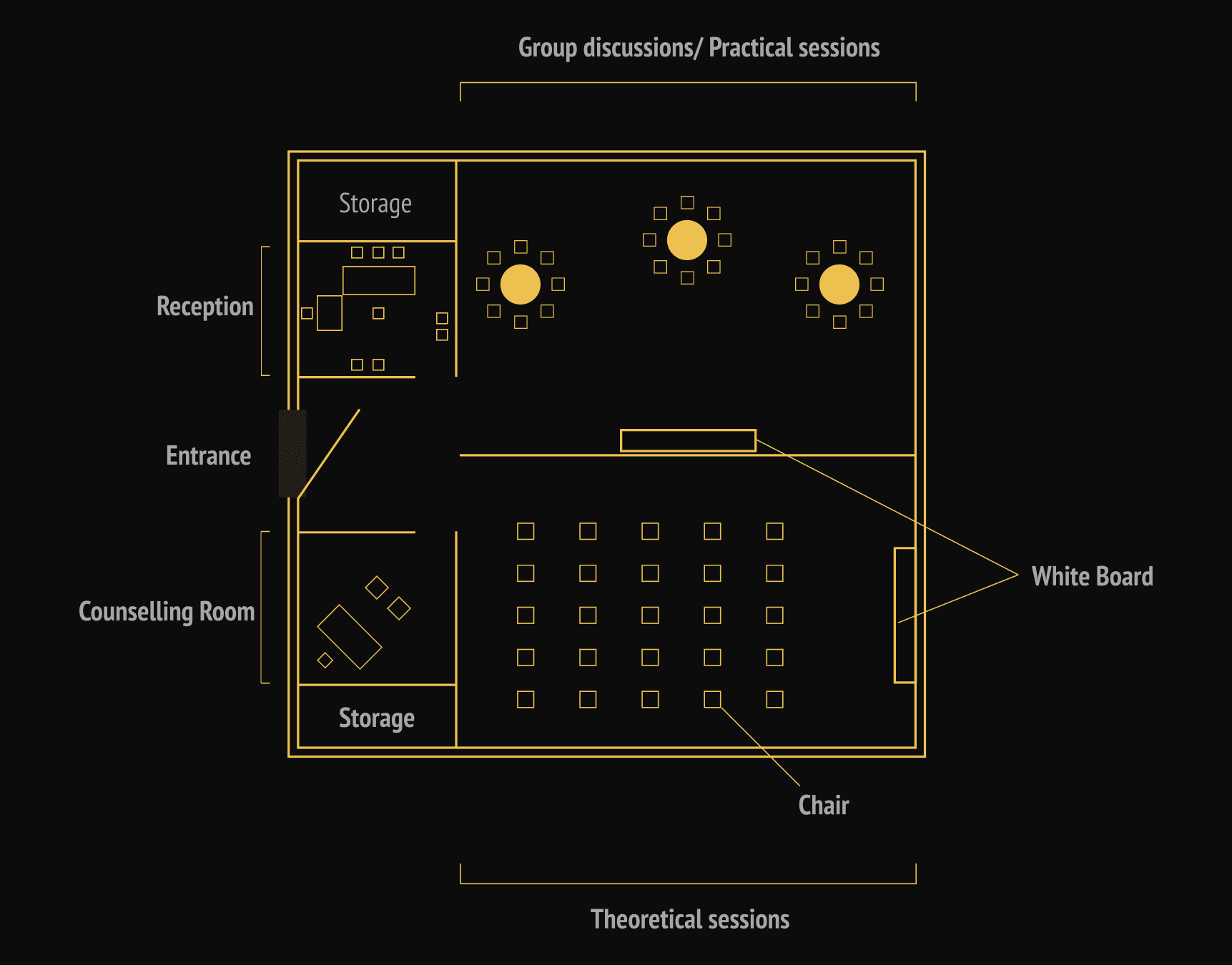
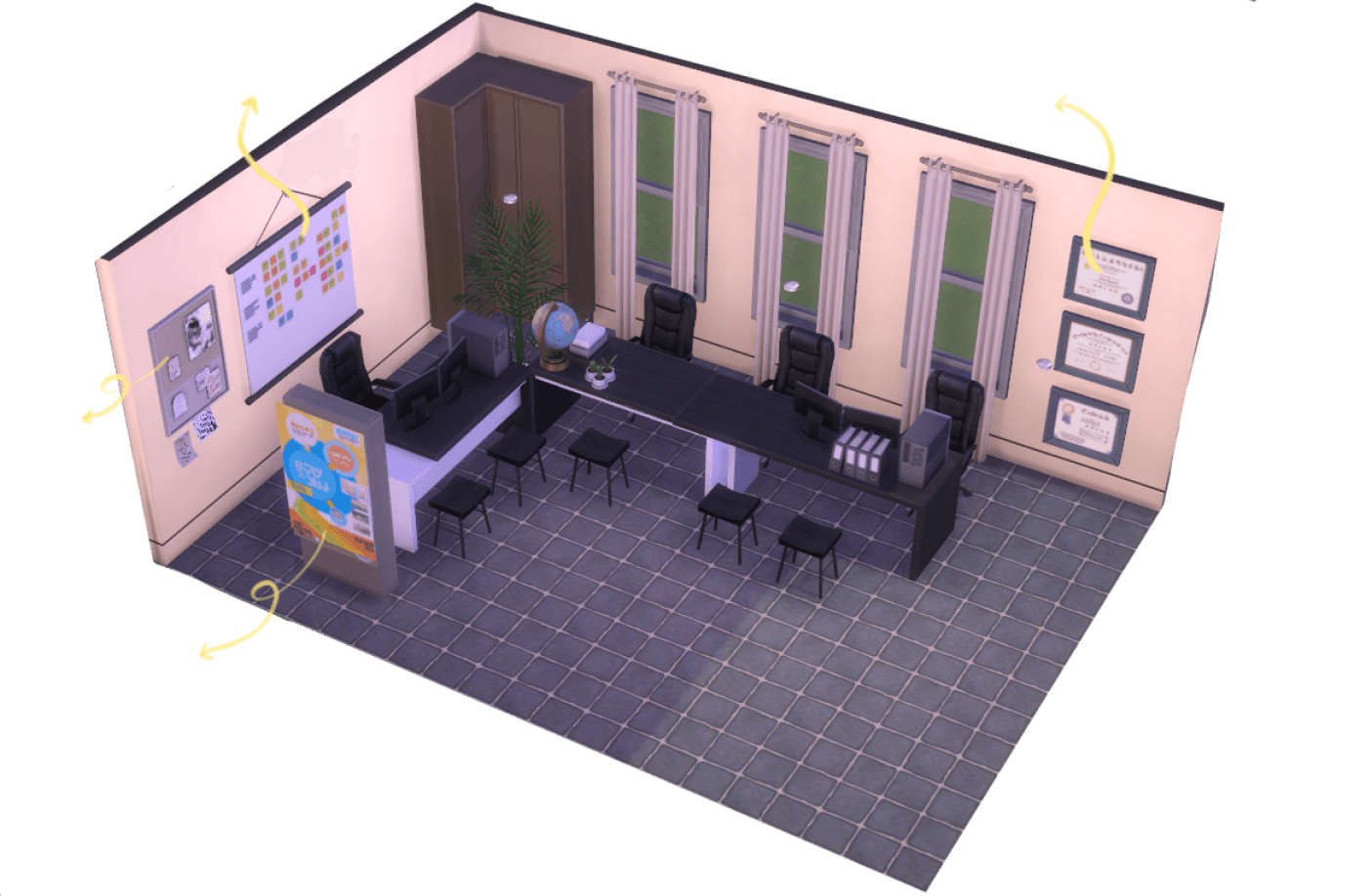
I assumed a leadership role in assisting high school students in rural India to aid employment and educational decision making, by overseeing interviews, conducting student interactions, and observational studies. Furthermore, I took on the task of developing the 3D model and floor plan for the employment centers proposed in the solution.
Subject:
User Research
Role:
Lead Researcher
Team Size:
6 Members
Year:
2022
Overview
A transformative project to establish a systematic method to increase awareness and access to employment and educational resources for high school students situated in rural areas of India. Keeping in mind the limitations of technology, we focused on ensuring the maximum utilization of available resources. Our strategy was to develop a plan to establish employment centers that would also function as community and skill centers for the locals, while also offering information and guidance to not only students but to parents and villagers as well.
Identifying the Problem
The Problem
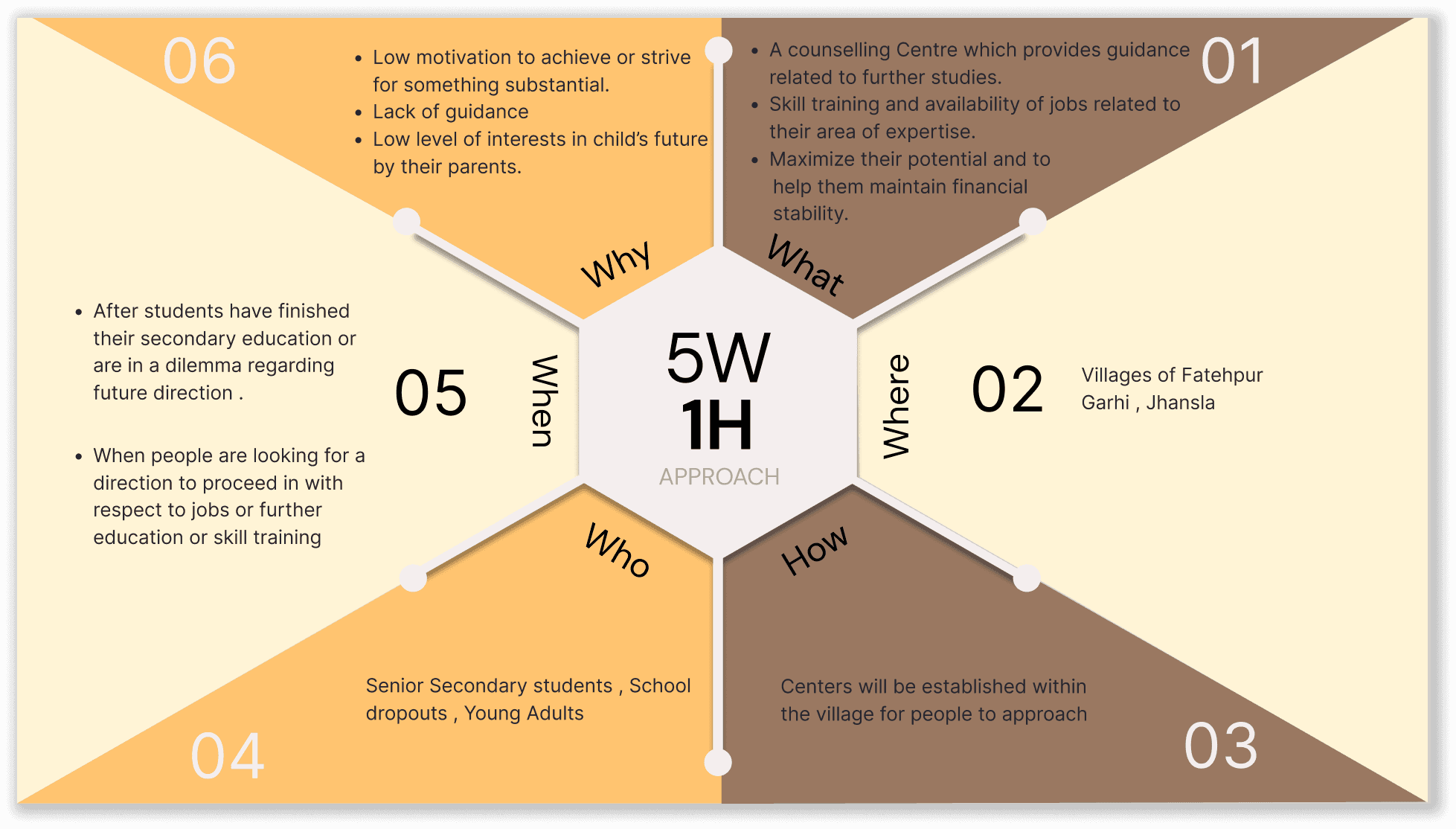
A majority of rural youth have a lack of motivation or guidance after their secondary education to pursue good opportunities often leading to low levels of intellectual and skill development resulting in increasing unemployment and financial instability amongst them.
Research
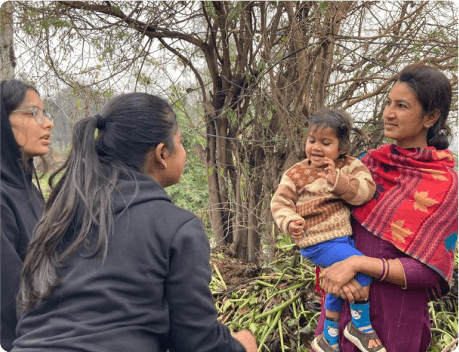
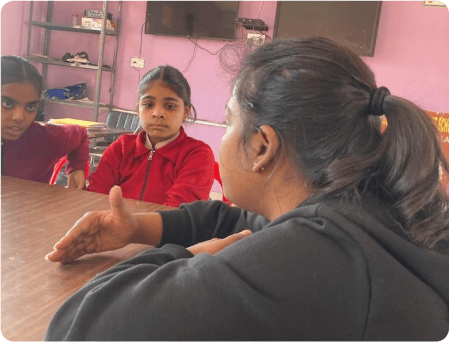
Over a span of 2 months, we undertook extensive field research, engaging with high school students in the neighboring villages of Jansla and FatehpurGarhi. Specifically targeting students in classes 11 and 12, our approach involved in-depth conversations about their aspirations and the motivations behind their career choices.
To foster deeper connections, we conducted group discussion sessions, where both the students and our team shared dreams, aspirations, and personal interests. Through these interactions, it became evident that many students made career choices based on limited information and external circumstances.
Our investigative efforts extended to conversations with parents and teachers, aiming to gain insights into their perspectives on the students' lack of direction. What emerged from these discussions was a shared sentiment among parents and teachers that their own constrained experiences had left them unable to offer comprehensive guidance to the younger generation, perpetuating a cycle of limited opportunities and choices.
Solution
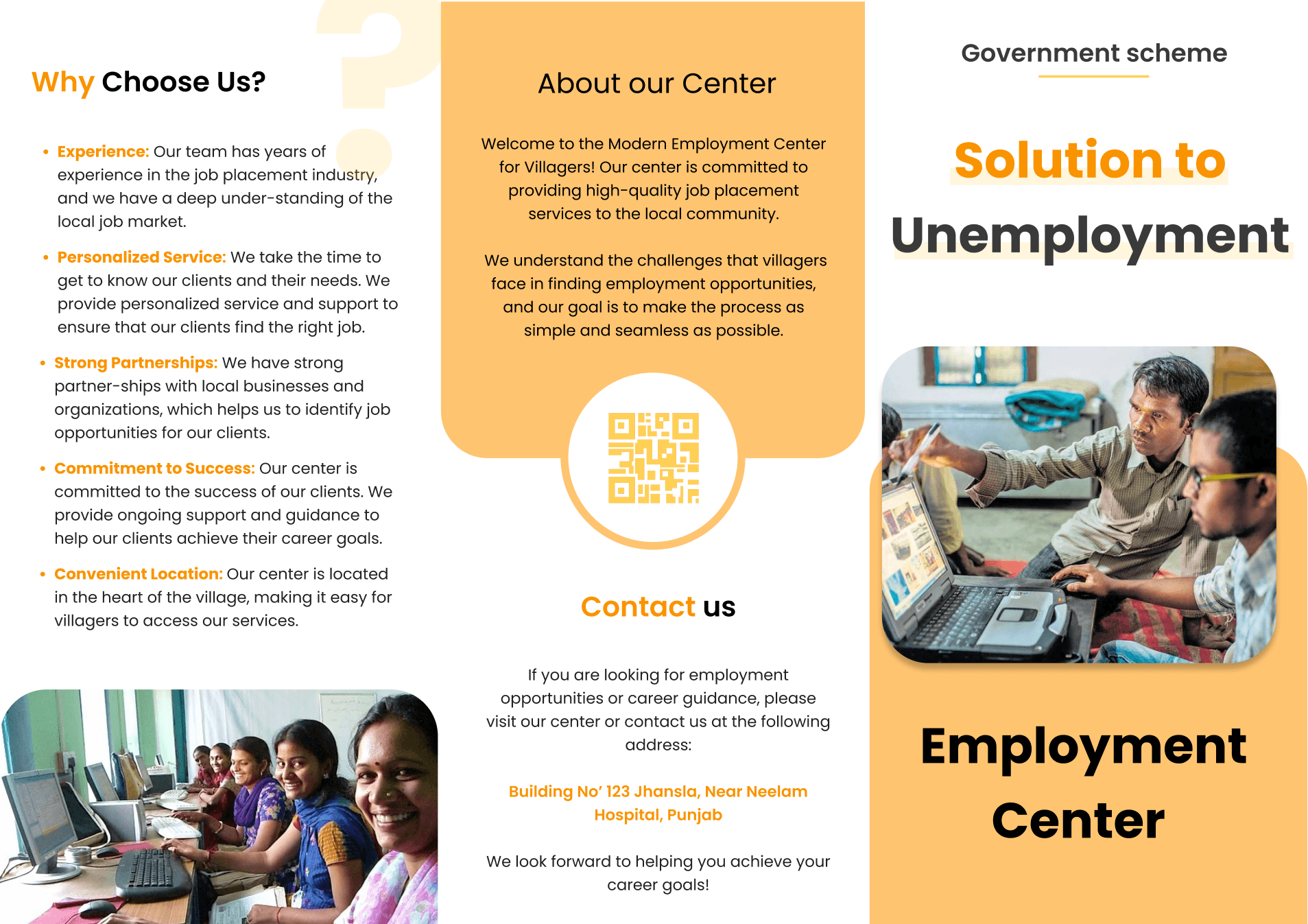
Our strategy was to develop a plan to establish employment centers that would also function as community and skill centers for the locals, while also offering information and guidance to not only students but to parents and villagers as well. To depict our project with clarity we created a digital 3D model of the centers, a brochure with resources in three languages, and a comprehensive educational curriculum plan to inculcate this practice into schools as an introduction.
EMPLOYMENT CENTERS
1. Employ local expert craftsmen/workers to teach courses for skill enhancement.
2. There will be counselors present who will help you decide which education course you should pursue and how they can access resources to further their education.
3. Information can be given about available jobs with the current skillset of the individual.
4. Job service can be provided after skill training of 3-6 months has been done by the individual.
5. The individual will be told the amount of wage gap in case of skilled and unskilled work, in case the individual lacks any particular skill.
SCHOOL CAMPS
1. Test the skill set of students to determine the appropriate future career opportunities.
2. Class activities and exercises to increase awareness about different professions.
3. Informational videos regarding the application filling process for different courses and vocational skill classes.
4. Provide teachers with relevant information so that they can provide counseling to the students.
5. Informational boards to provide information about nearby educational institutions, new schemes, and important information regarding applications.
6. Provide generalized information and guidance to parents so that they can help their children make informed choices.